
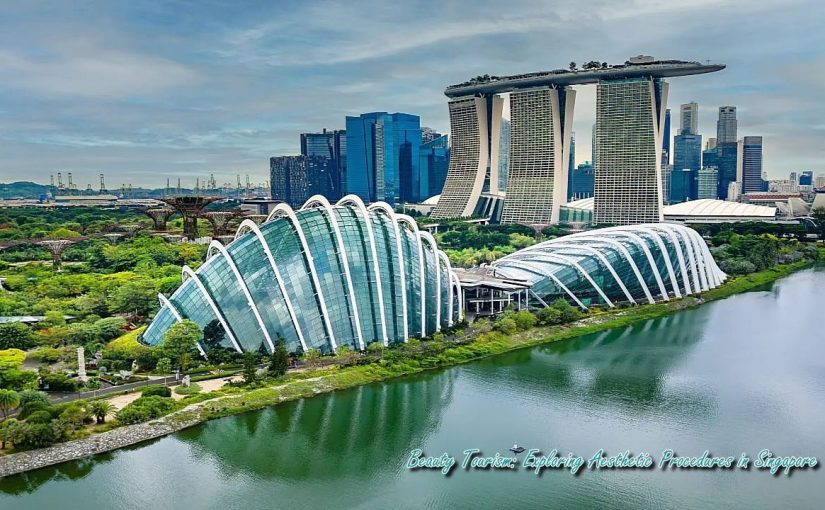
Singapore has become a strong choice for travelers who want aesthetic care in a setting known for regulated healthcare services and efficient travel infrastructure. In 2024, the city recorded 16.5 million international visitor arrivals and a record S$29.8 billion in tourism receipts, which reflects how established it is as a global destination. For many regional travelers, interest in Dr. Evelyn Tay in Singapore sits within a larger pull toward aesthetic procedures in Singapore, where patients can look for licensed providers, verify credentials, and plan treatment in a city built for short stays and high service standards.
That appeal grows when patients move past glossy marketing and focus on clinical basics. Singapore’s Ministry of Health regulates healthcare services through the Healthcare Services Act, the Singapore Medical Council requires doctors to hold registration and a Practising Certificate, and public tools let patients check both provider licensing and professional status before booking. That gives beauty tourists a firmer starting point than a social media feed or a discount ad ever could.
Why Singapore Appeals to Beauty Travelers
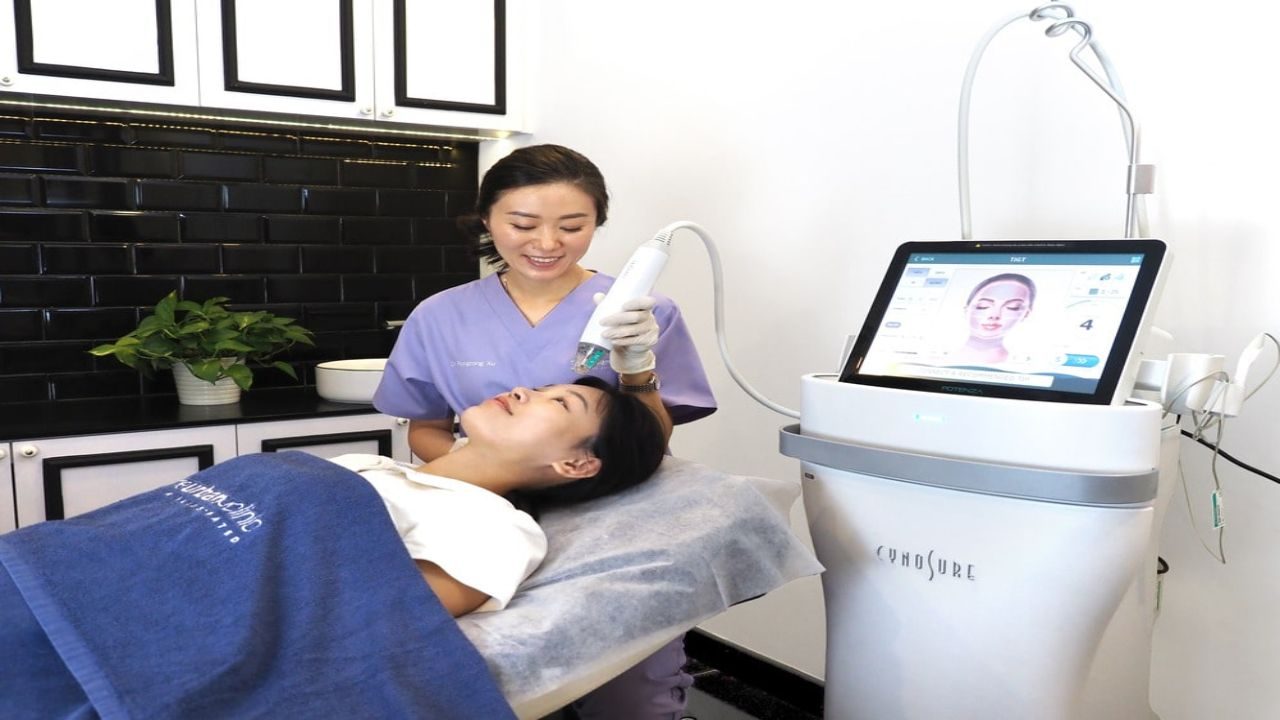
People rarely travel for aesthetic care for one reason alone. They look for a place where clinic standards feel credible, travel feels simple, and aftercare can happen without chaos. Singapore stands out because healthcare services operate inside a clear regulatory system, and the public can verify licensed providers through HealthHub while checking medical professionals through official search portals.
That structure matters more in aesthetic medicine than many patients first realize. The Singapore Medical Council’s aesthetic guidelines do not treat these procedures as casual beauty services. The guidelines frame them as medical treatments that must follow training, competence, informed consent, and appropriate clinical settings. In plain terms, a smooth patient experience in Singapore usually starts with systems and safeguards, not with a flashy before-and-after reel.
The Procedures Travelers Commonly Explore
Singapore’s official framework for aesthetic practice covers a wide spread of non-invasive, minimally invasive, and invasive treatments. The guidelines list chemical peels, intense pulsed light skin rejuvenation, skin-tightening devices, hair-removal lasers, and external lipolysis under non-invasive care. They also include botulinum toxin injections, filler injections for the face, neck, and hands, thread lifts, vascular and pigment lasers, and fractional lasers under minimally invasive care.
That same framework also covers more invasive work, including hair transplantation, dermabrasion, and free fat grafting in approved settings. Separate rules apply to procedures like liposuction, where the Ministry of Health says doctors must be accredited and clinics must comply with specific licensing conditions. For beauty tourists, that means the menu of options can look broad, yet the safest choices still depend on who performs the procedure, where it takes place, and what training sits behind it.
What Good Regulation Means for the Patient
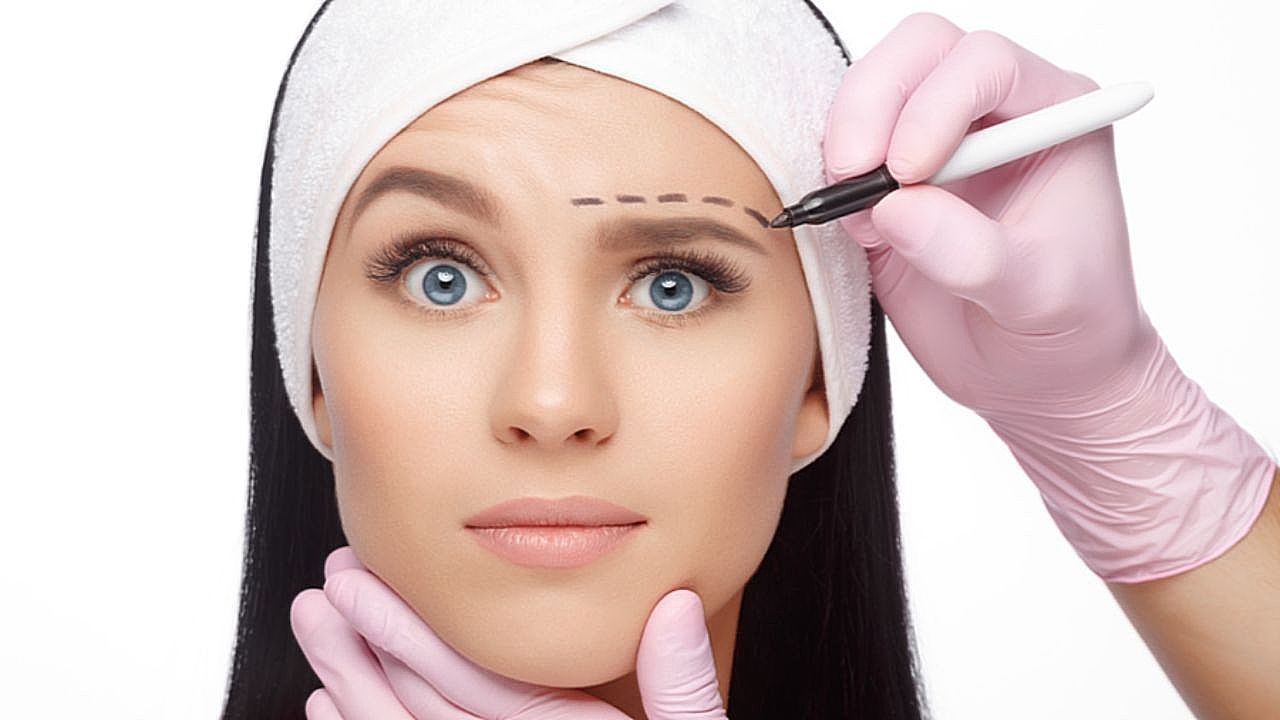
Aesthetic medicine can look simple from the outside. A syringe, a laser handpiece, a short appointment. Singapore’s rules push back against that false sense of ease. The Singapore Medical Council states that doctors must perform only procedures covered by the guidelines, and those procedures fall into categories tied to training standards, competence requirements, and clinical premises. For some treatments, doctors need a Certificate of Competence unless they meet prior case requirements spelled out in the rules.
The same guidance places heavy weight on patient safety and consent. It says doctors must advise patients about side effects and adverse outcomes beyond the more common risks, which raises the bar for consultation quality. MOH has also stated that aesthetic patients should receive a cooling-off period before proceeding, and minors face tighter consent limits for invasive work. That kind of rule set helps beauty tourists separate medical care from beauty retail.
What a Real Consultation Should Cover
A proper consultation in Singapore should feel detailed, not rushed. It should cover the diagnosis behind the concern, the treatment options, the likely result, the recovery pattern, and the realistic limits of the procedure. If the issue involves injectables or energy-based devices, the doctor should also explain why that method suits the skin concern instead of defaulting to the most profitable package. Singapore’s official guidance supports that style of consultation by emphasizing informed consent, risk disclosure, and appropriate patient assessment.
Patients should also expect a clinic to discuss setting and escalation. Some treatments fit a medical clinic. Others may require an operating theater or a more controlled surgical environment. The guidelines spell this out procedure by procedure, while HCSA separately regulates outpatient medical services and ambulatory surgical centre services. A clinic that treats all procedures as equal usually gives a warning sign long before the treatment begins.
Planning the Trip Around Recovery, Not the Other Way Around

Beauty tourism works best when the treatment plan controls the travel plan. That matters most for surgery, body contouring, and any treatment with meaningful swelling, bruising, wound care, or follow-up needs. Professional guidance from ASPS warns that travel combined with surgery can increase the risk of complications such as blood clots, swelling, and infection. NHS guidance also advises patients not to fly too soon after certain cosmetic operations, with suggested timeframes ranging from several days to over a week depending on the procedure.
This has a practical effect on Singapore trips. A patient coming for injectables, light peels, or low-downtime laser work may manage a short stay. A patient booking liposuction, eyelid surgery, or a larger corrective plan needs more room for review visits, swelling checks, and complication management. ISAPS advises patients planning surgery abroad to prepare for recovery and aftercare in advance, which makes strong sense for anyone mixing flights, hotels, and medical appointments in one schedule.
How to Choose a Clinic and Avoid Costly Mistakes
The smartest move a beauty tourist can make in Singapore is simple: verify first, book second. The public can check licensed healthcare services on HealthHub and search registered healthcare professionals through MOH and SMC resources. That step takes minutes, and it protects patients from one of the oldest problems in aesthetic care: trusting branding more than credentials.
It also helps to know what official agencies warn against. HSA says dermal fillers and botulinum toxin products must be evaluated and registered before supply in Singapore, and only qualified medical practitioners should administer them. HSA also warns that DIY injectable kits can lead to severe infection, tissue death, blindness, stroke, and other serious complications. In a field crowded with beauty content, that is a sharp reminder that an injectable procedure is still medical care.
Marketing rules offer another clue. Singapore’s healthcare advertising framework does not allow paid reviews for licensed healthcare services, and spas are not licensed by MOH to advertise medical procedures unless very specific authorization and compliance conditions apply. So if a beauty tourist sees a clinic leaning heavily on influencer praise, blurred provider credentials, or spa-style package language for medical treatments, caution makes sense. The safest clinics usually make verification easy, explain their doctors clearly, and talk more about suitability and follow-up than hype.
Singapore gives beauty tourists something many destinations struggle to offer at the same level: a strong mix of travel convenience, regulated medical care, and public verification tools. That does not remove risk. No aesthetic procedure can promise that. Still, it gives patients a better base for making careful decisions, especially when they choose clinics with clear credentials, realistic consultations, proper aftercare, and treatment plans that respect recovery time as much as cosmetic results.